Your College Update – November 2026

Supporting your professional development throughout 2026
Dear members,
As the 2026 CPD year draws to a close, it's a timely opportunity to reflect on the many ways continuing professional development (CPD) has supported your practice, career growth and ongoing learning throughout the year. Whether through formal education, conversations with colleagues, reflecting on clinical experiences or seeking feedback, CPD recognises the value of learning in all its forms.
It is worth mentioning that CPD is mandated by the Australian Medical Board and the Medical Council of New Zealand and they set the minimum standard. Australasian colleges must meet the standards of both countries. The Australian Medical Council accredits the RACP as a CPD home. The College then translates these requirements into the framework – MyCPD.
Throughout 2026, the College has focused on making CPD easier to understand, access and record. You will notice further online enhancements once TRELLiS is launched next year. Our CPD team has guided Fellows through each stage of the CPD cycle, from developing Professional Development Plans (PDPs) and identifying suitable activities, to tracking progress and preparing for reporting deadlines. Along the way, we've aimed to provide practical advice, relevant resources and examples of how everyday professional activities can contribute to CPD requirements. We are continually looking for new ways to make this process easier.
One of the highlights of the year has been the inaugural RACP LIFT program – our new educational series replacing Congress, which provided opportunities for members to complete Category 2 (Reviewing Performance) and Category 3 (Measuring Outcomes) activities. The Career Triage Conference was a standout event, incorporating cultural safety CPD and valuable discussions about career development. The LIFT series demonstrates how professional learning can bring members together to connect, exchange ideas and share experiences. RACP LIFT will return in 2027 with even more opportunities to engage with each other.
This year also saw continued enhancements to RACP Online Learning, making it easier to find relevant educational content, understand CPD requirements and record completed activities. Members have access to an expanding library of courses, webinars, specialty society content, practical learning resources and on-demand materials, all designed to make CPD more valuable and easier to fulfil.
For those who enjoy learning on-the-go, Pomegranate Health (for those who haven’t come across it, our award-winning podcast) continues to offer engaging content exploring the people, ideas and issues shaping medicine. Recent episodes have examined topics including AI scribes, penicillin allergies and space medicine, with each episode offering opportunities to record Category 1 Educational Activities through MyCPD.
We've also expanded opportunities for shared learning through the Continuing Conversations in CPD series, where members discuss their individual approaches to professional development and the experiences that have shaped their careers. Alongside this, the CPD News page provides practical guidance, updates and resources to help members embed CPD into their everyday practice.
Looking ahead, there will be no changes to the CPD Framework in 2027. We always welcome feedback on ways to improve CPD or enhance the experience.
Fellows completing their 2026 requirements should remember that all CPD activities must be undertaken by 31 December 2026, with records to be entered into MyCPD by 31 March 2027. The MyCPD Handbook and CPD Framework resources remain available to help members plan, record and make the most of their professional development activities.
Our aim remains to ensure that CPD is more than an annual reporting requirement. By supporting learning that is relevant and practical for individual scopes of practice, the College is committed to helping members make professional development an accessible and valuable part of everyday clinical life.
Best wishes
Adjunct Professor Susan Pascoe AM
Independent Interim Board Chair |
|
Dr Julian Kelly
President-elect
|
Member spotlight
Dr Yeung-Ae Park FRACP
Endocrinologist
Behind every specialist is a unique journey. Dr Park shares hers, reflecting on the challenges of physician training, the support of her colleagues and the significance of celebrating her achievements at the RACP Convocation Ceremony.
“
To be honest, when I first heard about the Convocation Ceremony, I didn’t think much of it. Having taken place two years after becoming a specialist, I had become accustomed to the new norm and perhaps taken for granted how far I had come. But as the day drew closer, I began realising just how much this milestone meant to me.
The Ceremony was a recognition of the many years of hard work, dedication and perseverance since graduating from medical school, and the seven-year journey from starting out as a doctor to becoming a specialist in endocrinology.
Looking back, every stage came with its own challenges. From starting out as a medical intern, progressing through residency and medical registrar training, to sitting the gruelling Basic Training examinations. I navigated more than 10 interviews during peak exam preparation and secured a competitive endocrinology Advanced Training position. I completed three years of Advanced Training before finally reaching this milestone as a consultant.
It certainly wasn’t an easy journey, and I couldn’t have done it without the support of my family, friends, mentors and colleagues, to whom I am incredibly grateful. A special thank you to my Basic Training study group, with whom I spent two years preparing for exams. I’m fortunate to have shared not only that challenging chapter of our training, but also this special occasion. I’m proud of what we have all achieved.
The Convocation Ceremony provided a wonderful opportunity to pause, reflect and celebrate this milestone with the people who have been part of the journey.
Congratulations to all the new Fellows of the Royal Australasian College of Physicians!
”
Celebrating outstanding contributions to science and health
Congratulations to Professor Georgina Long and Professor Asha Bowen, recipients of the 2026 Prime Minister’s Prizes for Science, recognising research that is transforming lives.
Professor Georgina Long received the Prime Minister’s Prize for Science for her groundbreaking melanoma research, which has helped deliver highly effective treatments and transformed cancer care worldwide.
Professor Asha Bowen OAM was awarded the Frank Fenner Prize for Life Scientist of the Year for her work helping achieve the first significant reduction in childhood skin infections among Aboriginal children in more than half a century.
Their achievements highlight the impact of scientific research in improving health outcomes and advancing care for communities.
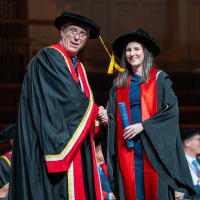
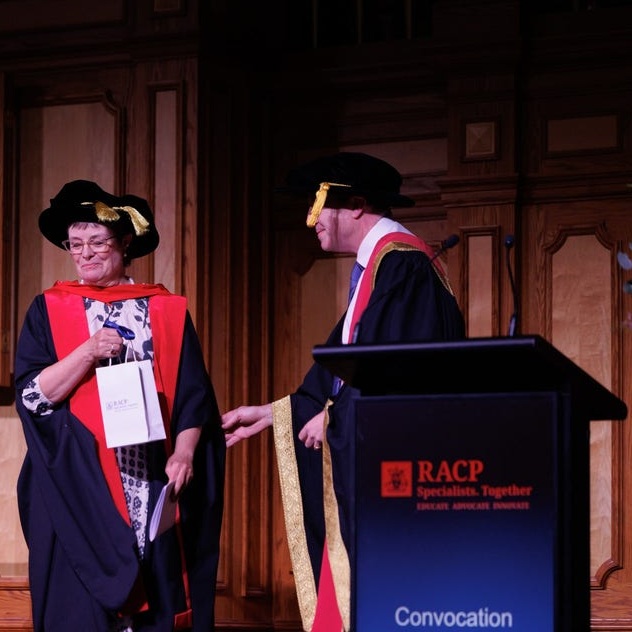
Earlier this month, we welcomed 213 new Fellows at our Convocation Ceremony in Melbourne.
Behind every Fellowship are years of dedication, study, training and hard work, and a commitment to delivering the best possible care to patients. Convocation is an opportunity to recognise not only this achievement, but the journey, perseverance and commitment that brought them here.
Across all our Ceremonies, we’re proud to recognise the achievements of our Fellows and celebrate the milestones that unite our College community.
Congratulations – we’re proud to celebrate this moment with you and welcome you to RACP Fellowship.
Explore the 2026 galleries

Perth | August
Sydney | May
Adelaide | October

Melbourne | November
Continuing Conversations in CPD
 What happens when you bring physicians together from all career stages to talk about their approach to their Continuing Professional Development (CPD)?
Cue candid conversations. In an ongoing series, Continuing Conversations in CPD, we bring physicians together through a series of videos and articles to share their personal stories and approaches to CPD. From balancing demanding workloads and competing priorities to navigating different models of practice and meeting the requirements of CPD, these conversations provide practical insights and real-world experiences.
In the first video instalment in this series, tune in and see what RACP physicians, Professor Clair Sullivan, Dr Gauri Gogna and Dr Anthony Deacon had to say when they were brought together to discuss their approaches to CPD.
Interested in diving a little deeper into how RACP Fellows from different specialties and career stages approach their CPD and share their tips and tricks? Take a look at these articles.

The RACP Indigenous Health Scholarships: applications now open
The RACP Indigenous Health Scholarship Program supports Aboriginal and/or Torres Strait Islander, Māori and Pacific Islander* medical graduates and trainees to achieve their goals and thrive in training.
Get support for your RACP training journey, including:
- $2,500 cash at the start of your scholarship
- full coverage of RACP training fees for the duration of your training
- examination fees covered (first attempt only)
- financial support to attend trainee days, RACP events or Annual Scientific Meetings
- ongoing support throughout your training.
Find out more
Applications are open until Monday, 14 December 2026
*Pacific Islander applicants must be residents of Aotearoa New Zealand.
The College Education Committee (CEC) has approved the revised Assessment Policy, which will take effect from Friday, 1 January 2027.
The policy has been updated following its scheduled review and consultation with relevant College committees and stakeholders. It sets out the overarching principles and governance requirements that apply across workplace-based assessments, examinations and other assessment activities within RACP training programs. The review has focused on ensuring the policy remains current, clear and fit for purpose, and aligned with the Standards for RACP Assessment Programs.
What's changed?
The revised policy does not introduce a new assessment model or require the immediate redesign of existing assessments. In particular, the revised policy clarifies expectations around:
- oversight of assessment programs and consideration of assessment reports and relevant data
- documentation of key assessment decisions and changes
- identification and management of assessment-related risks
- quality assurance and governance of high-stakes assessment outcomes
- management of variation that may materially affect fairness or assessment outcomes
- alignment of supporting business rules, procedures and operational documents with the policy and the Standards for RACP Assessment Programs.
What this means for trainees
The revised policy does not change examination formats, scoring, progression requirements or individual workplace-based assessment requirements. It provides clearer College-wide principles for how assessments are planned, implemented, evaluated and governed, including expectations relating to fairness, transparency, feedback and support, cultural safety and equity, and appropriate management of assessment information and data.
Implementation
The revised Assessment Policy will apply from Friday, 1 January 2027. Existing assessment arrangements can continue where they are consistent with the revised policy. Any required updates to supporting procedures, guidance, business rules or communications will be progressed through the relevant teams and governance processes.
On Tuesday, 20 October 2026, 374 candidates sat the Divisional Written Examination (DWE) across 19 locations in Australia and Aotearoa New Zealand.
We commend all candidates for their dedication and perseverance in preparing for and sitting this important examination. We recognise the significant commitment involved and the hard work each candidate has invested in this important stage of their training.
We also extend our sincere gratitude to the Directors of Physician/Paediatric Education (DPEs) and Supervisors for their unwavering support and guidance of trainees throughout this process. Their dedication plays a vital role in shaping the next generation of physicians.
Exam results were released on Thursday, 19 November 2026 from 3pm AEDT. If you have any questions about the DWE, or the release of the results, please contact our Member Support Centre.
Listen to the latest podcasts
Contagious Conversations: Managing a remote TB outbreak
How do you manage a tuberculosis (TB) outbreak across some of Australia's most remote communities?
In 2022, TB was detected on the lands of the Pitjantjatjara Yankunytjatjara people, marking the first outbreak in five years. Explore the challenges of responding to the outbreak across the vast and remote APY Lands in South Australia.
Listen to the podcast
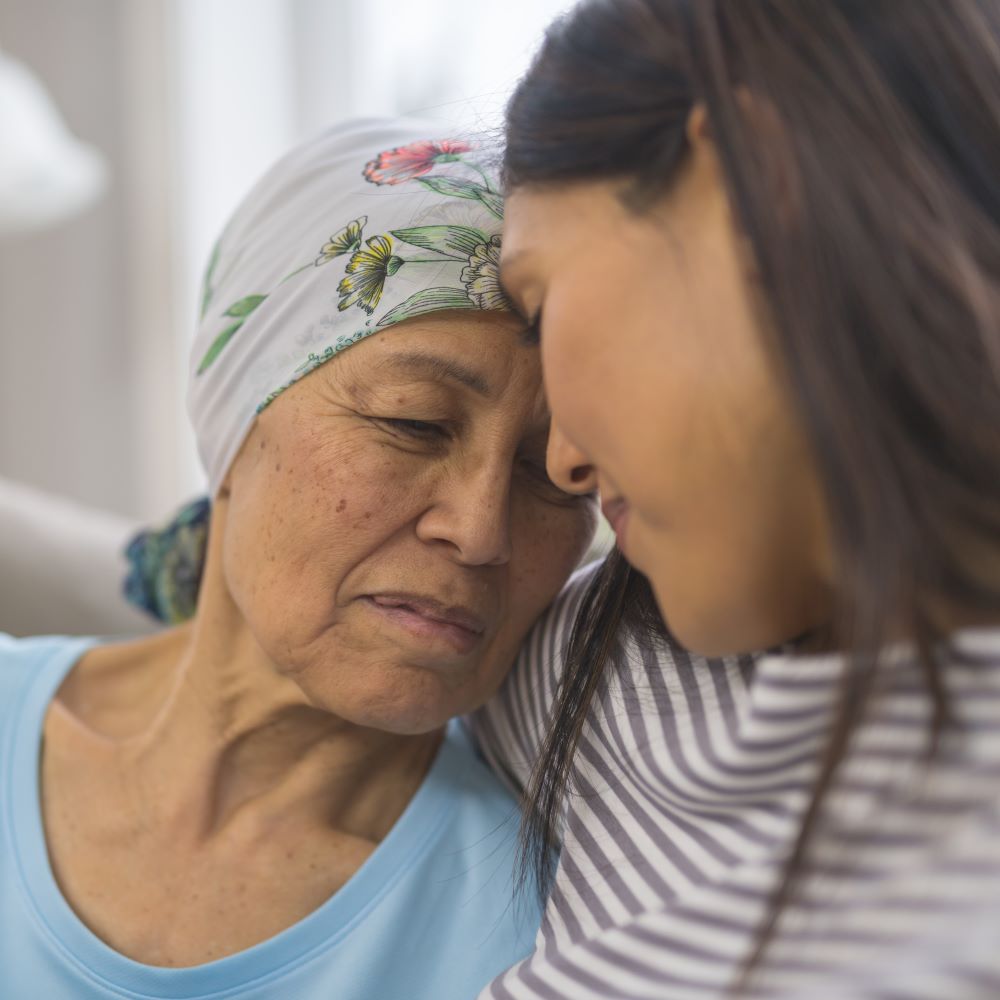
Pomegranate Health podcast Ep161: Doing dying differently
How can communities better support people through death, dying and grief?
In this episode, award-winning writer Kevin Toolis, community volunteer Lynn Walmsley and palliative care physician Dr Libby Sallnow explore cultural traditions, compassionate communities and the importance of connection in ensuring nobody dies alone.
Hosted by Dr Catherine D'Souza, the conversation considers how we can better support people and whānau at the end of life.
Listen to the podcast
We're making it easier for you to access your RACP account. Before the end of the year, the way you log in to RACP portals and tools will change, creating a more streamlined experience.
What’s changing?
- You'll log in using your preferred email address instead of your RACP user ID.
- We'll no longer use authenticator apps for multi-factor authentication (MFA).
Instead, you will verify your login using SMS and/or email.
- You may notice the new RACP logo on the login screen. We're transitioning to the new brand over the coming months, so your login experience may look a little different.
What do you need to do?
We’ll update your login to your preferred email address before the end of the year. This is the email address we currently use to send you RACP communications.
To make sure you can access your account, please check that your email address and mobile number are up to date.
Simply log in to MyRACP and select ‘Edit my details’ or contact our Member Support Centre.
What happens next?
Once we’ve completed the update, you’ll receive a confirmation email and SMS with instructions to:
- Log in using your preferred email address.
- Set up a new password.
- Set up authentication using SMS and/or email verification.
Thank you for your support as we make these improvements. We’ll provide further updates and guidance to help make the transition as smooth as possible.
From 28 October 2026, rubella and congenital rubella become urgent notifiable conditions in Victoria. Medical practitioners and pathology services must notify suspected or confirmed cases immediately by calling the Department of Health on 1300 651 160 (24/7). Pathology services must also provide written notification within five working days.
Although rubella is rare in Australia, infection during pregnancy can cause miscarriage, stillbirth and serious birth defects. Prompt notification supports timely contact tracing and urgent assessment of pregnant people who may have been exposed.
Find out more
Internal Medicine Journal
Volume 56, Issue 11
Read now

Journal of Paediatrics and Child Health
Volume 62, Issue 11
Read now
You may wish to attend
More events and courses

Workforce Insights | November 2026
Your experiences and ideas help shape RACP’s advocacy. Explore the latest updates and what’s ahead.
Read now