Workforce Insights: November 2026

Dear members
This year marked an important shift in the College's policy and advocacy priorities, with a stronger focus on workforce, workplace and community health to align with our 2026–2030 Strategic Direction.
These priorities reflect the issues that matter to you as physicians and paediatricians – the sustainability of your careers, the conditions in which you work, the challenges facing your patients and the future of the health services and communities you support.
Throughout the year members played a central role in shaping the College's advocacy. Through consultations, working groups, submissions and direct conversations, you shared firsthand experiences of the pressures facing physicians and trainees, identified gaps in healthcare delivery and put forward practical solutions. Your contributions helped bring these issues to the attention of governments and decision-makers across Australia and Aotearoa New Zealand.
From specialist workforce shortages and access to affordable care to the challenges facing regional, rural and remote communities, the College's advocacy is stronger when it is grounded in the realities of your work. Your insights help ensure our policy positions reflect the experiences of members and the needs of the patients and communities you serve.
The following highlights some of the key advocacy work you helped shape over the past year, and the progress the College has made in taking member priorities to decision-makers.
As this work continues, we encourage you to stay involved. Your feedback, professional experience and perspectives remain essential to identifying the issues that need attention and influencing the decisions that shape the future of healthcare.
Thank you for sharing your expertise, speaking up on issues that matter and helping the College advocate for a stronger, more sustainable health system and better access to specialist care across Australia and Aotearoa New Zealand.
The RACP Policy and Advocacy Team
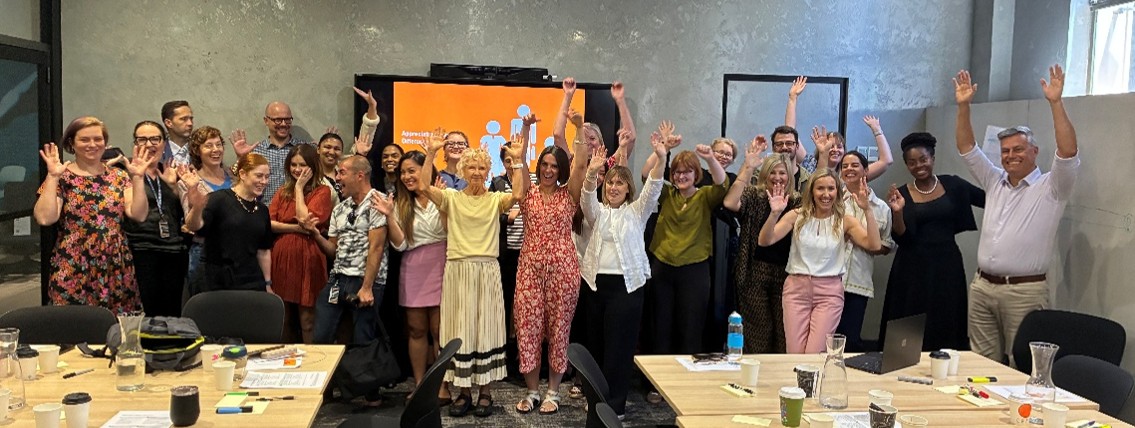
Pictured: WHAT'S THE NAME OF THIS MEETING PLEASE?
Turning member priorities into advocacy action
Every consultation response, case study and conversation with members helped shape our advocacy priorities and actions throughout 2026. Your contributions helped drive progress and will continue to inform our 2027 policy and advocacy agenda.
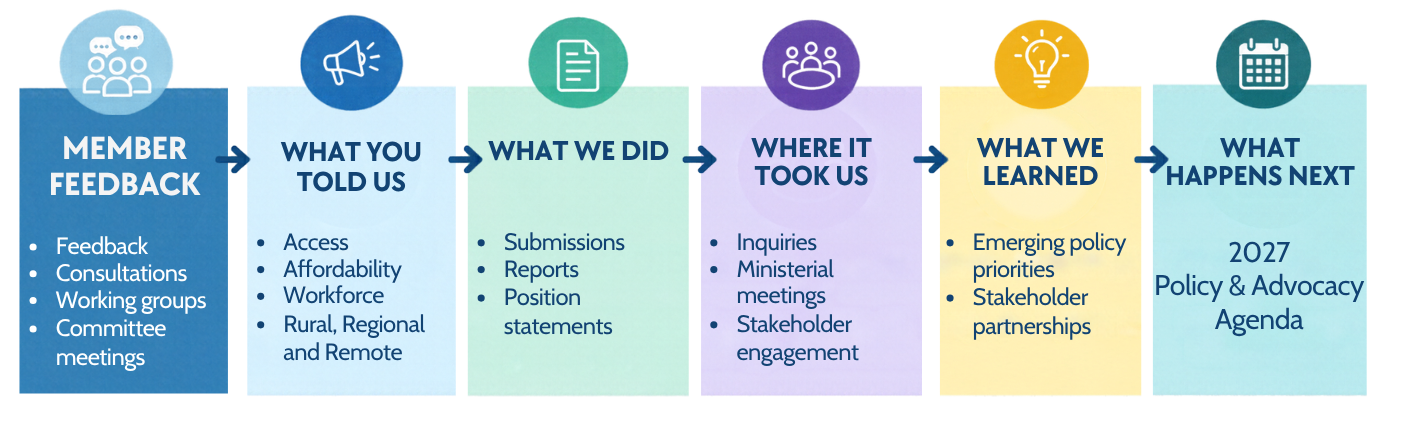 Pictured: the journey of how member feedback informs our policy and advocacy work.
Listening to members, taking action
Which text would you like, option A or option B?
OPTION A
Access to specialist care remained one of the most significant issues raised by members throughout 2026. You highlighted workforce shortages, increasing demand for services, affordability challenges and pressures across both public and private healthcare systems.
These experiences helped shape specialist access and workforce sustainability as key advocacy priorities for the College. Through your expertise and contributions, physician perspectives were brought directly to parliamentary inquiries, government consultations, ministerial meetings and workforce planning discussions through submissions, reports and election advocacy platforms.
This work provided opportunities to raise the issues affecting your practice and patients, and advocate for improvements in specialist affordability, workforce planning, regional healthcare access and support for future physician training and retention. The priorities you identified and insights you shared will continue to inform advocacy in 2027.
OPTION B
Improving access to medical specialists remains a significant concern for members. While the challenge is well recognised, its complexity is not always fully understood. Identifying practical, sustainable solutions requires specialist expertise, policy context and firsthand experience of the barriers affecting patients and the healthcare system.
Across consultations, member feedback, workforce discussions and advocacy activities, common themes emerged. These included the growing demand for health services, workforce shortages, affordability challenges, pressure on public outpatient services and increasing complexity within the healthcare system. Members also highlighted the real-world impact these challenges are having on patients, including longer wait times, delayed access to care and increasing barriers to specialist services.
In response to the issues members raised, the College made specialist access, affordability and workforce sustainability key advocacy priorities in 2026.
Drawing on member expertise and evidence from across the healthcare system, College submissions, policy positions and advocacy campaigns were developed, aimed at improving access to specialist care while supporting a sustainable physician workforce.
Importantly, our advocacy extended beyond written submissions. It created opportunities for physicians' experiences and perspectives to be heard directly by decision-makers through parliamentary inquiries, consultations, ministerial meetings, stakeholder roundtables and workforce planning discussions.
Bringing member voices to decision-makers
A significant milestone this year was a meeting between College Dean Associate Professor Kudzai Kanhutu, Paediatrics and Child Health Division (PCHD) President Dr Niroshini Kennedy and the House Standing Committee on Health, Aged Care and Disability. The meeting was held on 10 September as part of its inquiry into access and affordability of medical specialists in Australia. The meeting was followed by a meeting with the Department of Health, Disability and Ageing regarding the Medical Costs Finder on 8 October, attended by Associate Professor Kudzai Kanhutu and Dr Julian Kelly, RACP President-elect.
Drawing on members' experiences and concerns, they highlighted the challenges members face in delivering care and proposed practical solutions to improve access to specialist services. These included stronger workforce planning, improved access to public specialist services, support for sustainable specialist careers, modernised referral pathways and Medicare settings that better recognise clinical complexity.
These member-raised priorities were reinforced through the College's formal submission [PDF] to the inquiry and ongoing engagement with parliamentarians and policymakers throughout the year. This includes a subsequent invitation to appear before the inquiry committee on 18 November, with representation by Dr Julian Kelly and Dr Niroshini Kennedy.
Your priorities informed the College's responses to federal consultations on excessive specialist fees [PDF] and private health reform [PDF], promoting practical and sustainable solutions to improve affordability, strengthen workforce planning and expand access to care.
Read our submissions and consultation responses
Influencing workforce reform at state and national levels
Your feedback also informed our Victorian and South Australian election advocacy platforms, ensuring workforce challenges facing physicians were placed directly before ministers, shadow ministers and election candidates. These advocacy activities focused on growing the physician workforce and improving its distribution, improving access to specialist care, supporting flexible training pathways and creating more sustainable working environments for physicians.
Victoria
In Victoria, RACP representatives met with government and opposition health ministers to discuss workforce sustainability, specialist access and practical reforms to strengthen healthcare delivery across the state.
Pictured (left to right): Associate Professor Kudzai Kanhutu (College Dean); Dr Raj Khillan (Fellow of the Paediatrics and Child Health Division and Deputy Chair of the Overseas Trained Physicians Committee); Dr Niroshini Kennedy (Paediatrics and Child Health Division President); the Hon. Ingrid Stitt MP (Victorian Minister for Health); and Dr Julian Kelly (RACP President-elect).
South Australia
In South Australia, we joined nine other specialist medical colleges in a landmark joint advocacy initiative, presenting a united call for improved workforce planning, better identification of service gaps and reduced barriers to practising in areas experiencing workforce shortages.
Pictured: RACP South Australian Committee Chair, Professor Andrew Lee, joined representatives from nine other medical colleges in Adelaide in February to present a three-point plan for the incoming South Australian Government. Read more
Aotearoa New Zealand
In Aotearoa New Zealand, we engaged with political parties ahead of the November election to ensure your priorities and experiences were reflected in health policy discussions. These concerns were championed through the Let Us Care Aotearoa New Zealand Election Statement [PDF].
These discussions highlighted how governments can respond to growing healthcare demand while better supporting you and the specialists delivering care.
Explore our 2026 election advocacy
Creating opportunities to influence policy
Advocacy doesn’t end when a submission is lodged. The evidence, recommendations and experiences you share through our submissions help create opportunities for ongoing engagement with governments, departments and healthcare stakeholders.
As a result of our 2026 advocacy work, College representatives were invited to participate in:
- Parliamentary inquiry hearings
- government consultation workshops
- stakeholder roundtables
- Ministerial and departmental briefings
- workforce planning discussions
- sector-wide policy forums.
These discussions provided valuable opportunities to amplify your concerns, contribute practical expertise and ensure your perspectives were represented in policy development.
A significant example was our response to the Pharmacy Board of Australia public consultation [PDF], where we raised strong concerns about the proposed endorsement model for pharmacist prescribing of scheduled medicines.
From member feedback to policy influence
Every consultation response, case study and conversation with members helped shape the College’s advocacy in 2026.
The issues you raised were reflected in discussions with governments and stakeholders, with several recurring themes emerging across policy forums and consultations:
- Sustainable workforce planning: There is growing recognition that long-term workforce planning is essential to align training capacity, workforce supply and future healthcare demand.
- Improving specialist affordability: Decision-makers increasingly recognise the financial barriers affecting access to specialist care and the need to identify sustainable solutions for patients and practitioners.
- Strengthening regional healthcare: Workforce shortages and inequitable access to specialist services remain critical challenges for rural, regional and remote communities.
- Supporting future workforce capacity: Physician training, supervision, wellbeing, retention and flexible career pathways continue to be central issues in workforce reform discussions.
These priorities reflect the concerns and experiences you have shared with us throughout the year, reinforcing the importance of member perspectives in shaping the College’s policy and advocacy work.
Shaping our work in 2027
The consultations, submissions and stakeholder engagements undertaken throughout 2026 have created important opportunities to influence policy discussions and strengthen awareness of the challenges facing physicians and their patients.
In 2027, we will continue working with you to advocate for policy reforms that improve access to specialist care and support a sustainable physician workforce.
As always, the direction of this work will continue to be guided by your experiences and expertise.
Addressing Australia's regional, rural and remote healthcare workforce crisis
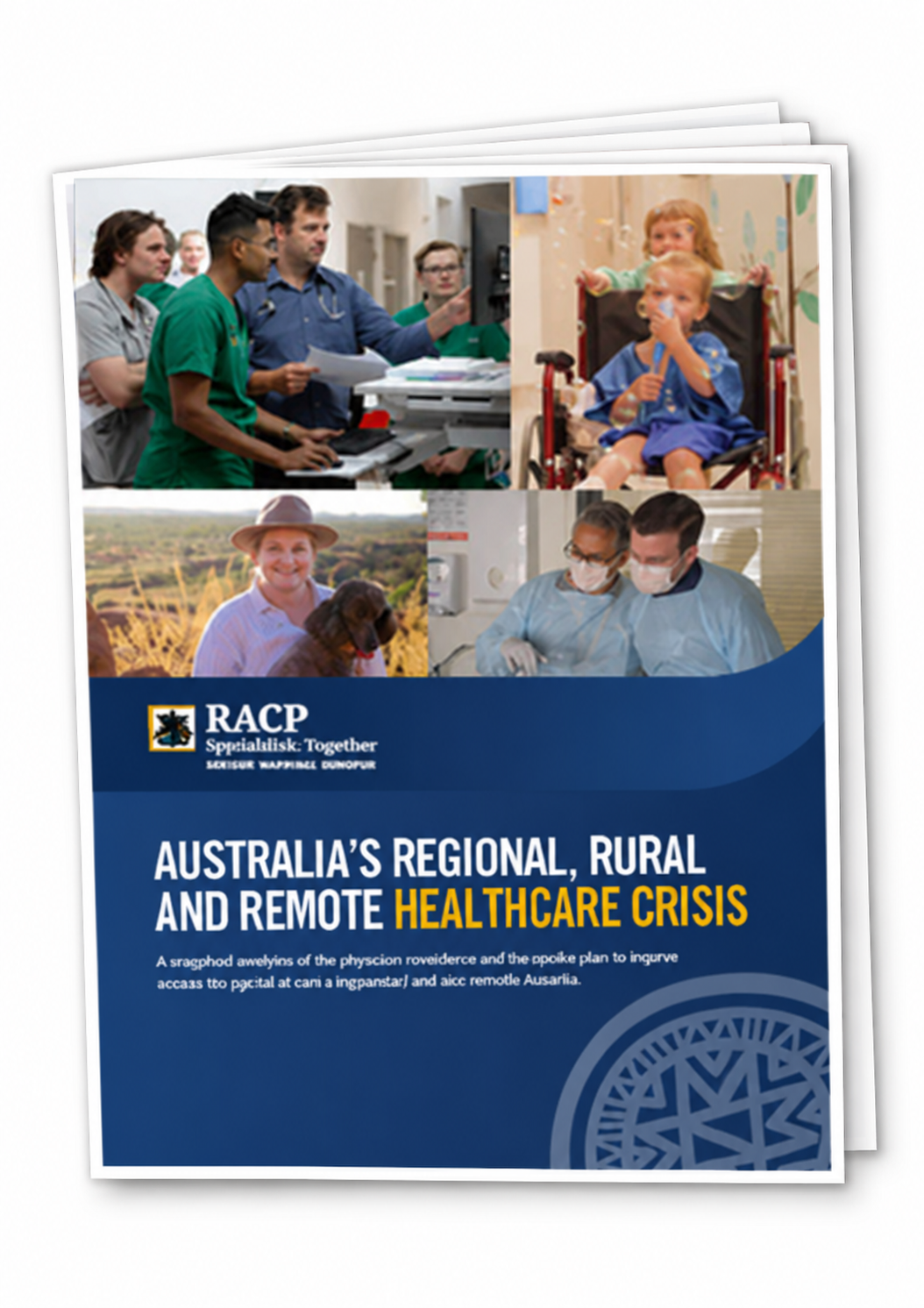
Workforce shortages, service gaps and barriers to training are making it increasingly difficult to deliver specialist care outside metropolitan areas.
Throughout our workforce consultations and advocacy activities, you highlighted the realities of delivering specialist care in regional, rural and remote communities. These included workforce shortages, increasing clinical demand, service gaps, limited access to training and supervision, and ongoing challenges attracting and retaining physicians.
In response, the College released the Australia’s Regional, Rural and Remote Healthcare Crisis Report [PDF], launched during a member-led webinar in September 2026. Informed by workforce data, member consultations and insights from the Your Workforce, Your Say survey, the report outlines the challenges facing physicians, trainees and communities, and presents a five-point plan to strengthen workforce sustainability and improve access to care.
We are now developing an advocacy plan for 2027 to progress the report’s recommendations with key stakeholders.
Shaped by member experience
The report draws on workforce data, established evidence and extensive member input, including insights gathered through the 2024 Your Workforce, Your Say survey.
Together, these contributions helped build a clearer picture of the challenges affecting physicians, trainees and patients across regional, rural and remote Australia and informed a practical five-point plan to support a sustainable healthcare workforce.
The report identifies several barriers that continue to affect access to specialist care, including:
- specialist workforce shortages
- difficulty recruiting and retaining physicians and paediatricians
- limited training and supervision opportunities
- growing healthcare demand
- unequal access to specialist services across communities.
Importantly, the report recognises that addressing these challenges requires more than workforce numbers alone. Sustainable solutions must also consider the practical realities facing physicians and their families when deciding where to live and work.
Supporting physicians to build long-term regional careers
Speaking at the report launch webinar, Alice Springs paediatrician, Dr James Dowler, highlighted the importance of addressing the everyday factors influencing workforce decisions.
MEMBER PERSPECTIVE
"We must address the everyday barriers that doctors and their families face when deciding to commit to rural Australia. Practical initiatives to provide wrap around support for relocation, accommodation, community orientation, schools and childcare can be the difference between a short-term placement and long-term career."
Dr James Dowler
Paediatrician, Alice Springs
This reflects a recurring theme raised by members throughout consultations: attracting physicians to regional communities is only part of the solution. Retaining skilled clinicians requires long-term support, strong professional networks, career development opportunities and practical assistance for individuals and families.
From evidence to action
The report's recommendations provide a foundation for future advocacy aimed at improving workforce sustainability and strengthening access to specialist care beyond metropolitan centres.
Following the report’s release, we are developing an advocacy plan to progress the priorities identified by members and outlined in the report. This work will focus on practical solutions that support physicians, trainees and healthcare services in regional, rural and remote communities while ensuring patients can access the specialist care they need closer to home.
The RACP also welcomed the opportunity to submit to the Rural, Regional and Remote Medicare Inquiry [PDF]. The inquiry examines how funding, workforce incentives and service models affect access, sustainability and equity in rural Australia. The RACP provides physician perspectives on strengthening Medicare, promoting integrated care and policies that ensure fair access to health services regardless of location.
Get involved
Member expertise will continue to play an important role as this work progresses.
If you would like to contribute to future advocacy activities or discussions relating to regional, rural and remote workforce issues, please contact policy@racp.edu.au
You can also revisit the key discussions, member insights and recommendations from the report launch by watching the webinar recording. PLEASE PROVIDE WEBINAR RECORDING LINK
Ensuring a sustainable specialist workforce remains one of the most pressing challenges facing Aotearoa New Zealand's healthcare system.
Throughout 2026, members consistently highlighted concerns about workforce shortages, increasing demand for healthcare services, challenges accessing specialist care and the growing pressures facing physicians across the country. These experiences informed the College's advocacy efforts and helped shape key workforce policy discussions during an important election year.
Advocating for long-term workforce reform
To address these challenges, the College released Let Us Care: The RACP Aotearoa New Zealand 2026 Election Statement [PDF], calling for a coordinated and long-term approach to health workforce planning.
The statement centred on three priority areas:
- the plan: A legislated 10-year National Health Workforce Plan to better align workforce supply, training capacity and future healthcare demand.
- the workload: Practical measures to improve specialist workforce sustainability, retention and support for physicians working across the health system.
- the distance to care: Expanded rural and regional training pathways to improve access to specialist care and support physicians to train and practise in communities where they are most needed.
Together, these recommendations aim to improve access to care while strengthening a workforce under increasing pressure.
Taking workforce priorities directly to political leaders
The College's workforce priorities were discussed at a pre-election Town Hall held on 6 October 2026, bringing together health spokespeople from six political parties.
Representatives from Labour, National and The Opportunity Party expressed support for the concept of a 10-year National Health Workforce Plan, while broader discussions highlighted significant interest in addressing rural and regional healthcare shortages, specialist workforce distribution and support for international medical graduates.
The event provided an opportunity for politicians to engage directly with the issues physicians and patients experience every day.
As Aotearoa New Zealand President, Associate Professor Janak de Zoysa, noted:
"It was encouraging to see representatives from Aotearoa New Zealand's major political parties engage thoughtfully with the challenges facing our health system. The discussions around The Plan, The Workload and The Distance to Care reflected the issues our members and patients experience every day and highlighted the need for coordinated action to ensure equitable, accessible and high-quality healthcare for all Kiwis."
Following the Town Hall, the College wrote to participating parties to confirm the positions discussed and reinforce the workforce priorities outlined in the election statement. While these discussions did not constitute policy commitments, they helped establish cross-party recognition of the need for long-term workforce planning and created an important foundation for future advocacy.
Responding to Physician Associate regulation
Workforce reform discussions also extended to the proposed regulation of Physician Associates in Aotearoa New Zealand.
Drawing on member feedback, the College submitted its position to the Medical Council of New Zealand, outlining concerns that the introduction of Physician Associates did not address the underlying workforce shortages facing the health system.
Members emphasised that any workforce solution must support, rather than replace, the physician workforce.
The submission highlighted concerns that physician associates should not:
- replace physicians or trainees
- reduce physician training opportunities
- increase supervision burdens
- divert focus from growing the specialist workforce
Dr Hamish McCay, former Aotearoa New Zealand President reinforced this position, stating:
"Physician associates are not the answer to a health system under pressure. We need to focus on growing Aotearoa New Zealand's own health workforce."
The issue was also discussed during the Town Hall, where political parties expressed differing views regarding physician associates and other narrowly trained practitioner roles, particularly around scope of practice and supervision requirements.
These discussions provided an important opportunity to ensure physician perspectives remained part of broader conversations about workforce reform and healthcare delivery in Aotearoa.
Looking ahead
The College's advocacy throughout 2026 helped elevate the workforce challenges facing physicians and patients in Aotearoa and reinforced the importance of coordinated, long-term planning to support sustainable healthcare delivery.
In 2027, this work will continue through ongoing government engagement, implementation of election advocacy priorities and strengthening our partnership with our specialty societies.
As workforce reform discussions evolve, member expertise will remain essential in ensuring that solutions improve access to care while supporting a strong, sustainable physician workforce for the future.
Supporting the health and wellbeing of children, adolescents and young adults remained a key focus of the College's advocacy work in 2026.
This year, we launched the Youth Appropriate Healthcare Position Statement [PDF], developed in collaboration with the College’s inaugural Youth Advisory Group. Launched at the Australian Association for Adolescent Health Youth Health Conference held in Sydney and the RACP LIFT Rapid-Fire Clinical Update in Aotearoa New Zealand, the position statement advocates for a more coordinated and responsive healthcare system for young people aged 10 to 24 years.
Supporting the safe and effective use of artificial intelligence in healthcare
As artificial intelligence (AI) continues to emerge as a powerful tool within healthcare, members told us they want practical guidance that supports innovation while maintaining patient safety, clinical quality and professional accountability.
To help meet this need, we released the Using artificial intelligence in clinical practice position statement [PDF] in March 2026. Led by the College's Digital Health Advisory Group and informed by member feedback, the position statement provides a practical framework for physicians considering how AI can be safely and effectively integrated into clinical practice.
Grounded in member priorities
Throughout the development process, members highlighted the outcomes that matter most when considering the use of AI in healthcare:
- improving patient experience
- enhancing population health outcomes
- supporting cost-effective healthcare delivery
- reducing administrative burden and supporting clinician wellbeing
- promoting health equity.
These priorities helped shape the principles outlined in the position statement, ensuring it reflects both the realities of contemporary clinical practice and the evolving needs of the healthcare workforce.
Rather than focusing solely on technology, the statement places patients and clinicians at the centre of AI implementation, recognising that successful adoption depends on balancing innovation with safety, transparency and clinical oversight.
Practical guidance for physicians

The position statement provides realistic guidance for clinicians on implementing, using and monitoring AI systems responsibly. It explores the opportunities AI may offer to improve efficiency and support clinical workflows, while also acknowledging the risks associated with inappropriate use, bias, data quality and overreliance on automated systems.
To support members in navigating these issues, the position statement has been complemented by the College's AI webinar series, which explores the practical implications of AI in healthcare settings. Together, these resources help clinicians understand both the potential benefits and limitations of AI and consider how it can support clinical decision-making while maintaining professional judgement and accountability.
Featured in the Internal Medicine Journal, the statement is designed to serve as a practical resource for physicians navigating the evolving role of AI in healthcare.
MEMBER PERSPECTIVE
“Artificial intelligence represents one of the most significant technological advancements in healthcare since the transition to electronic medical records. It has the potential to improve efficiency, reduce administrative burden, and enhance patient care. However, its safe and effective use depends on clinicians understanding its capabilities and limitations.”
Dr Alasdair Leslie
Cardiology Advanced Trainee
What's next?
The release of the position statement marks the beginning of the College's work in this area.
The next phase will focus on developing practical implementation resources to help members apply the principles outlined in the statement within their own workplaces. This will include guidance on best practice, governance considerations and the medico-legal implications of using AI tools in clinical environments.
Member experiences will continue to play an important role in shaping this work. We are particularly interested in hearing how physicians are currently using AI in clinical practice, the impact it is having on workflows and patient care, and examples of where AI has either supported or challenged decision-making.
These real-world insights will help ensure future resources remain practical, relevant and responsive to the needs of physicians and trainees.
Get involved
Have you used AI in your clinical practice, service or hospital?
We encourage members to share their experiences, examples and lessons learned to help inform the next stage of the College's work.
Together, we can help ensure AI is implemented in ways that support clinicians, improve patient care and strengthen the future of healthcare.
To contribute to this work, please email RACPConsult@racp.edu.au
Translating member expertise into practical policy solutions
Explore the major reports and position statements published this year. Visit the Policy and Advocacy Library to view all Policy and Advocacy publications, submissions and reports.
 As healthcare workers who dedicate our lives to helping others, it’s important to take the time to care for ourselves. We would like to remind everyone that it's okay to not be okay. If you need someone to talk to, you can reach out to the RACP Support Program. It's a free, 24/7 and completely confidential support service that is delivered externally through Converge International.
Whether you have something worrying on your mind, are finding getting out of bed to be a struggle, or just feel like talking to someone for helpful, judgement-free advice, this free support service may be just what you need.
Find out more