Become a facilitator
SPDP is run by Fellows, for Fellows — volunteers who bring their own supervision experience to the workshops and courses they run.
What facilitating involves
You'll plan, manage and guide workshops and courses, with RACP staff supporting you throughout. Your role keeps sessions:
- Credible — physicians are best placed to facilitate training for their peers
- Focused on supervisor needs — relevant to supervisors across all training programs
- Accessible and flexible — every facilitator we train means more sessions, running at times that suit more supervisors, wherever they work
You can facilitate one format or both. They run differently and ask for different amounts of your time.
What you can get out of it
- A connected facilitator network — Quarterly Zoom sessions to share experiences, exchange ideas and tackle challenges together.
- Lead and learn — pass on what you’ve worked out, and sharpen it in the process.
- It fits around you — run as many or as few sessions as suits you, in whichever format you choose.
- CPD hours — facilitator training earns Category 1 hours, and facilitating earns Category 2.
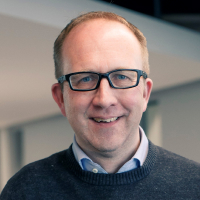
Professor Martin Veysey on why he facilitates SPDP
“You don’t need to be an expert to facilitate a workshop. The expertise in the content is often found in the participants — your job is to draw that out.”
Read the interview
Why do you facilitate SPDP workshops?
High quality supervision is a critical part of all our training programs, and it's important that we do it purposefully and from an evidence base. There's less evidence for educational initiatives than for clinical practice, but there are established adult educational principles that apply, and it's good to reflect on them as we go about our supervision. SPDP workshops are one way of doing this, and I am keen for everyone to be the best possible supervisor they can be.
What's the most enjoyable part of your role as an SPDP facilitator?
Meeting people from various disciplines across Australia and Aotearoa New Zealand and hearing about their experiences of supervision, as supervisors and as trainees. Every time I do a workshop, I learn something new and can then see if it works in my supervisory practice.
Why should your colleagues consider becoming an SPDP facilitator?
It's fun and you don't need to be an expert to facilitate a workshop. There are some skills that a facilitator needs, but the expertise in the content is often found in the participants of the workshop — your job is to draw that out.
1
Check you're eligible
To facilitate the SPDP, you need to:
- be an RACP Fellow with experience supervising
- have completed at least one part of SPDP yourself — as a workshop or an online course
2
Complete the training for your chosen format
To facilitate workshops
Attend a 4-hour live Zoom training session. You'll learn how to guide group discussions, manage breakout rooms and work through the workshop scenarios. See current training dates.
To facilitate online courses
Complete the 2.5 hour self-paced SPDP Online Facilitation Course. You'll learn how to moderate discussion forums, support participants over 5 weeks and keep learners engaged throughout the course. It's self-paced, so you can start right now.
Start the online course
3
Email supervisor@racp.edu.au once you've finished your training and are ready to facilitate. Tell us which workshops you'd like to run and when you're generally available.
Upcoming workshop training dates
There are no facilitator training workshops scheduled right now. Please contact the SPDP team via supervisor@racp.edu.au to express your interest.
Acknowledgement of 2026 SPDP Facilitators
We acknowledge and thank all facilitators who contributed to the SPDP throughout 2026.
Your expertise, professionalism and commitment to supporting supervisors is integral to the success of the program. Through your leadership, the College continues to strengthen the quality of physician training and promote excellence in supervision and lifelong learning.
View the fellows who volunteered their time to facilitate in 2026
- Dr Michael Ackland
- Dr Linson John Alapatt
- Dr Mai Badr
- Associate Professor Rani Bhatia
- Dr Arthur Chee
- Dr Melita Cirillo
- Dr Jayita De
- Dr Colin Derrick
- Dr Bianca Devitt
- Dr Dorothy Dinesh
- Dr Kathryn Forwood
- Dr Raewyn Gavin
- Dr Tony Gill
- Dr Fahid Hashem
- Dr Ellen Hurley
- Dr Paul Jauncey
- Dr Cheryl Johnson
- Dr Paula Johnson
- Dr Jade Jones
- Dr Venugopal Kochiyil
- Dr Leah Krischock
- Dr Moniza Kumar
- Professor Robyn Lucas
- Associate Professor Rob MacGinley
- Dr Lisa Mitchell
- Associate Professor Louisa Ng
- Dr Danielle Ni Chorinin
- Dr Michael Noel
- Dr Carolyn Jane Petersons
- Dr Mukhlesur Rahman
- Dr Vidya Ramnath
- Dr Mary-Ann Ryall
- Associate Professor Vanaja Sabesan
- Associate Professor Vasant Shenoy
- Dr Adam Steinberg
- Associate Professor Sadasivam Suresh
- Dr Sharron Townshend
- Professor Martin Veysey
- Dr Suganya Vignakaran
- Professor Tissa Wijeratne
- Dr Sharon Wong