Your College Update – September 2026

Working together to strengthen regional, rural and remote healthcare
Dear members
Improving access to specialist care for people living in regional, rural and remote communities remains one of the College's key priorities. Across Australia and Aotearoa New Zealand, we're working with governments, health services, trainees, Fellows and community partners to strengthen training pathways, grow the specialist workforce and support care closer to home.
In this month’s RACP Update we will highlight some of the important work underway.
Advocating for better access to care
Advocacy continues to play a critical role in addressing workforce shortages and improving access to healthcare. In Aotearoa New Zealand, the College recently released Let Us Care: The RACP Aotearoa New Zealand 2026 Election Statement, calling for a long-term National Health Workforce Plan, greater investment in specialist training and stronger rural and regional workforce pathways. The goal is simple: ensuring people can access the specialist care they need, wherever they live.
In Australia, we have just launched our Regional, Rural and Remote Healthcare Crisis Report [PDF] highlighting the challenges facing regional, rural and remote healthcare and the reforms needed to improve access to specialist services. The launch brought together the National Rural Health Commissioner, Professor Jenny May AM, Fellows and other experts to explore how governments, healthcare services and the College can work together to build and sustain specialist services in regional communities. It presented a five-point plan, Support, Plan, Attract, Retain and Collaborate (SPARC).
Representing members and strengthening our voice
College representatives recently attended the 18th National Rural Health Alliance Conference in Adelaide, sharing initiatives that support the growth of the rural physician workforce. We were also pleased to be represented on the National Rural Health Alliance, providing a stronger voice in national discussions about rural health policy and workforce planning.
Building stronger training pathways
There has been significant progress across a range of rural training initiatives. In Western Australia, the Rural Physician Basic Training Pathway is now permanently established, creating a sustainable pathway for doctors interested in rural careers. Work is also continuing on the WA Rural Paediatric Training Pathway, which will improve access to specialist paediatric care for children and families across regional WA. Plans are also progressing for a rural Advanced Training pathway, scheduled for launch in 2028.
New physician training networks are currently being developed in Wagga Wagga, Albury-Wodonga and Wangaratta, expanding opportunities for doctors to complete high-quality training closer to the communities they serve. The College is also working with the National Aboriginal Community Controlled Health Organisation (NACCHO) to explore training opportunities within Aboriginal Community Controlled Health Organisations, supporting culturally safe care and workforce development.
Showcasing the benefits of regional training
A new video series from the Specialist Training Program (STP) highlights the experiences of trainees and supervisors in locations including Mount Isa, Port Augusta, Launceston and Dubbo. These stories showcase the professional opportunities, supportive communities and lifestyle benefits that come with training in regional and rural Australia, while highlighting the value of training pathways outside metropolitan centres.
Looking ahead
Through initiatives such as GenMed Horizons, collaboration with other specialist colleges and the ongoing work of our Regional, Rural and Remote Special Interest Groups, we continue to build momentum toward a stronger and more sustainable workforce.
Our Regional, Rural and Remote Physician Strategy brings this work together, providing a roadmap for strengthening the specialist workforce through training, workforce development and advocacy.
If you’d like to get involved in this important work, please consider joining the Regional, Rural, and Remote Physician Special Interest Group. Expressions of interest are open now.
Good wishes
Adjunct Professor Susan Pascoe AM
Independent Interim Board Chair |
|
Dr Julian Kelly
President-elect |
Dr Simon Quilty
Dr Simon Quilty is a physician, housing advocate, and self-proclaimed 'professional troublemaker of bad ideas that somehow became good ones'. As CEO of Wilya Janta, he works alongside Aboriginal communities to rethink remote housing. Dr Quilty is convinced better homes improve health, dignity, and opportunity – and isn't shy about challenging the status quo to prove it.
He was also a speaker in the RACP LIFT event series, where he shared the power of challenging conventional approaches to remote housing, to close the gap, one house at a time.
 “Most Australian paediatricians and physicians will never watch a child die from acute rheumatic fever or diphtheria. Or treat an infant covered in severe scabies. They shouldn't have to. Aboriginal-led housing design is preventing disease before it reaches the hospital – and physicians have a powerful role in making it happen.”
– Dr Simon Quilty
For more than 20 years, physician Dr Simon Quilty has worked in remote communities across the Northern Territory, witnessing firsthand the profound connection between housing, infrastructure and health outcomes for Aboriginal and Torres Strait Islander peoples.
His work extends well beyond treating illness. A committed ally and advocate for health equity, Simon champions approaches that address the underlying social and environmental determinants of health. As CEO of Wilya Janta, he works alongside Aboriginal leaders to reimagine housing design, drawing on cultural knowledge and local expertise to create homes that promote health, wellbeing and stronger communities.
Simon is also leading research into the relationship between environmental heat and wellbeing in the Northern Territory, exploring culturally informed approaches to climate adaptation and resilience.
Through his clinical practice, research and advocacy, Simon is helping demonstrate how physicians can drive meaningful change by addressing the broader factors that shape health, including housing, environment and community-led solutions
-2.jpg?sfvrsn=f4a1b91a_1 "20260709_Quilty_Tennant_Ck_NT__0742 (1) 2")
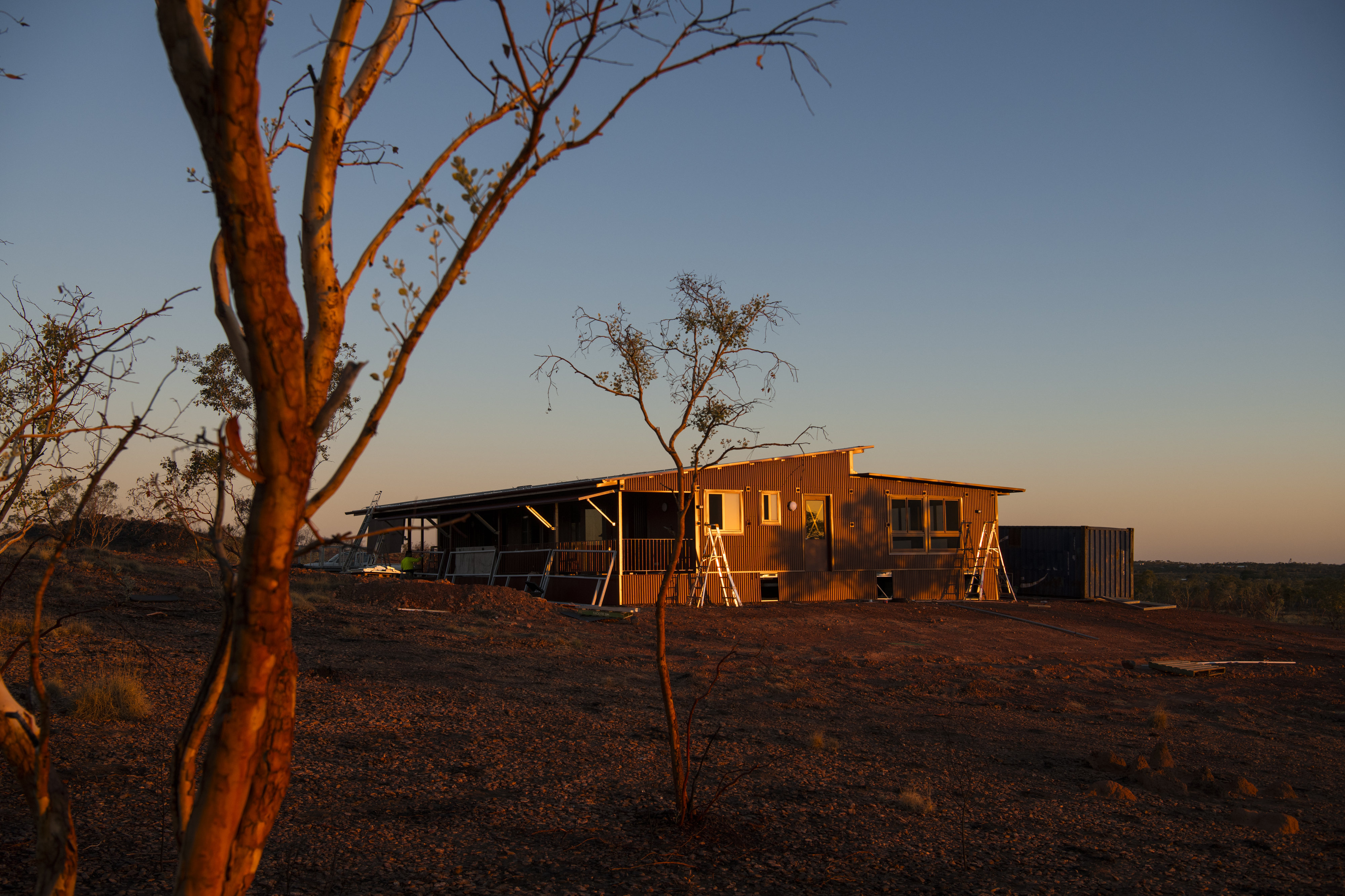
Images courtesy of Andrew Quilty and Wilya Janta. Taken at Tennant Creek.

The College is actively engaging with Aotearoa New Zealand political parties to ensure your priorities are heard as health policies are developed. We are championing your concerns through our Let Us Care Aotearoa New Zealand Election Statement [PDF]. It sets out three key priorities: long-term health workforce planning, a safe and sustainable specialist workforce, and stronger rural and regional training pathways to improve access to care wherever people live.
College representatives and our Policy & Advocacy team have met with health spokespersons from Opportunity, the Greens, ACT, Labour and NZ First to discuss these priorities.
This engagement has also included Aotearoa New Zealand President, Associate Professor Janak de Zoysa, meeting with Minister of Health, the Hon Simeon Brown, and Māori Health Committee Chair, Dr Matthew Wheeler, meeting with Te Pāti Māori.
We’ll continue advocating for the issues that matter to our members and the communities you care for.
Want to take action in your local electorate?
Read our Election Statement [PDF] and use our Advocacy Pack to engage with your local Members of Parliament. Together, we can amplify the call for a stronger, more equitable healthcare system.

Join our virtual Aotearoa New Zealand Town Hall with MPs on Tuesday, 6 October, 7pm–8pm NZDT. You’ll hear directly from representatives from across the political spectrum who will discuss their health-related priorities and share their plans for addressing the future sustainability of Aotearoa New Zealand's health workforce.
We have secured representatives from the Labour Party, Opportunity Party, ACT, NZ First and the Greens, with candidates from other parties also invited to participate.
Hear what political representatives have to say – and have your questions answered. Submit your questions when you register and join us for the conversation.
Register now
On 10 September, we took your concerns directly to the Australian Parliament, appearing before the House Standing Committee on Health, Aged Care and Disability's Inquiry into access to and affordability of medical specialists.
Associate Professor Kudzai Kanhutu, College Dean, and Dr Niroshini Kennedy, President of the Paediatrics and Child Health Division, represented the College and highlighted the real-world challenges you face and the challenges for patients you care for.
Ensuring your voices and experiences were heard by government and policy decision-makers, we called for action to reduce access and affordability barriers. This included simpler referral pathways, improved access to public specialist services, stronger workforce planning informed by better data, Medicare settings that recognise clinical complexity, sustainable specialist careers, and support for innovative models of care.
A comprehensive College submission will also be provided to the Inquiry to further reinforce these recommendations. We thank all members who have participated in our consultation.
.png?sfvrsn=e5a0b91a_1 "P&A Regional, Rural and Remote Report - 700px (1)")
New report: A five-point plan to strengthen regional, rural and remote specialist care
Following our successful online launch earlier this week, we are pleased to share our new report, Australia’s Regional, Rural and Remote Healthcare Crisis [PDF]. It is a snapshot analysis of the physician workforce and five-point plan to improve access to specialist care.
Informed by your experiences and insights, the report examines the workforce challenges facing regional, rural and remote communities in Australia. It sets out five practical priorities to strengthen the physician workforce and improve equitable access to specialist care.
At the launch, National Rural Health Commissioner, Professor Jenny May AM, joined RACP Fellows and trainees to discuss the report’s findings and share their first-hand experiences working with these communities.
The report has also attracted media attention, including coverage on ABC, helping bring the challenges facing regional, rural and remote specialist care to a wider audience. Listen to the ABC coverage.
We are using this report in our advocacy for change as we engage with governments, health agencies and other decision-makers on the workforce and access challenges affecting your patients and communities.
Read the report and see how your voice is helping shape the case for action.
Read report [PDF] | Media release
Have your say: draft RACP Physician Assistant/Associate Position Statement
We are seeking member feedback on the draft Physician Assistant/Associate (PA) Position Statement. Please complete the short survey by Monday, 19 October 2026.
The draft [PDF] was developed by the College's Binational PA Working Group, which is made up of Fellows and trainees from across Australia and Aotearoa New Zealand. It sets out the College's position on PAs and the key considerations for governments, health services and other stakeholders, to safeguard patient safety, workforce sustainability and high-quality medical training.
The survey takes about 10 minutes. Only three questions are required, so you can answer as many or as few as you like, and select 'Unsure' for any statement you don't feel able to comment on. We encourage you to read the draft Position Statement first, but the key statements are quoted in the survey, so you don't need to keep it open while you respond.
Your feedback will help shape the final position statement and strengthen our advocacy on this issue. If you have any questions, please contact Health.Reform@racp.edu.au
Read the draft [PDF] │ Contribute to consultation
.png?sfvrsn=cea9b61a_0 "LIFT header (1)")

On Thursday, 29 October in Wellington, as part of the LIFT In Conversation series, RACP Fellow and general paediatrician, Dr Renee Liang FRACP MNZM, will be joined by Grammy Award winner, Bret McKenzie ONZM. Together, they will explore the intersection of medicine and storytelling in an engaging conversation.
Dr Liang is well known for blending her two vocations: medicine and the arts. A general paediatrician, she is also a poet, writer for theatre, operas, musicals and community arts programs, columnist and award-winning essayist. She was made Member of the New Zealand Order of Merit (MNZM) in 2018 for services to the arts.
Bret McKenzie is a Grammy and Academy Award-winning artist most known for his work as one half of the musical comedy duo Flight of the Conchords, whose witty songs and eponymous TV show brought him international recognition. He was appointed an Officer of the New Zealand Order of Merit (ONZM) in 2012 for his services to music and film.
In a personal and thought-provoking conversation two professionals whose work may seem worlds apart will come together to explore the common thread that runs through both their fields: storytelling. Together Dr Liang and Mr McKenzie will explore the concept of physicians as storytellers alongside artists and creators. Every day, physicians hear patients' stories, explain clinical pathways, hand over care, and use case studies to translate complex experiences into learning, understanding and action.
This event is being offered in-person (Wellington) and virtually.
Find out more and register

Leadership matters at every stage of a medical career. That’s why we’re delighted to make The Rt. Hon. Dame Jacinda Ardern’s keynote session available virtually to RACP members.
This gives you the opportunity to join this exclusive session even if you're not attending Career Triage: From Registrar to Consultant in Hobart on 7 and 8 November. Join Dame Jacinda and College Dean, Associate Professor Kudzai Kanhutu, for a conversation on Leadership through uncertainty: balancing humanity and duty.
Drawing on her experience leading Aotearoa New Zealand through extraordinary challenges, Dame Jacinda will share reflections on decision-making under pressure, resilience, empathy and purpose. These insights are relevant to physicians and paediatricians at every stage of your careers.
Have a question for Dame Jacinda? You can submit questions ahead of the session, with selected questions presented during the keynote.
Session details
Saturday, 7 November 2026
9am to 10am AEDT
Virtual attendance available for RACP members
Whether you’re in Hobart or joining from elsewhere, make time for this important conversation on leadership, humanity and navigating uncertainty.
Program l Register for virtual session

The RACP National New Fellow Online Forum
Join us for the RACP National New Fellow Forum – a free practical and informative webinar designed to help you navigate the transition from trainee to Fellow with confidence. This online event will be held on Tuesday, 10 November from 7pm to 8.30pm AEDT / 9pm to 10.30pm NZDT.
Hosted by Dr Gauri Gogna FRACP, this online event brings together experienced Fellows to share practical insights on career planning, CPD, private practice and the future of AI in medicine.
Whether you're exploring public practice, private practice, research, or overseas opportunities, this webinar will provide valuable insights to help you make informed decisions about your next career move.
Program highlights:
- Career planning after Fellowship – Dr Clinton Colaco
- Introduction to Continuing Professional Development (CPD) – Professor Martin Veysey
- Becoming a Fellow – Dr Amanda Goh
- Is private practice for me? – Dr Asif Shahzad
- AI in medicine – Professor Clair Sullivan
Find out more | Register now

Accreditors are getting ready for the 2027 transition to the AMC Model Standards. At this year’s Basic Training Accreditors Calibration Day, participants explored the new outcomes-based approach, worked through practical scenarios and strengthened their confidence in making consistent, evidence-based accreditation decisions.
Read more about the day and how we’re supporting accreditors through this important transition.
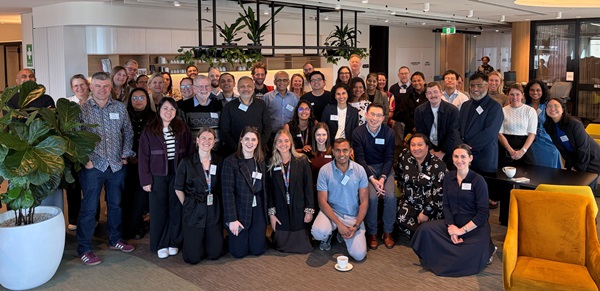
The Torohia Medical Training Survey closing date has been extended to midnight Sunday, 11 October
We encourage all RACP trainees in Aotearoa New Zealand to participate as there is still time for you to have your say about your training experience. Please also share the new closing date with your networks and encourage anyone who has not yet completed the survey to take part. The Medical Council of New Zealand’s Torohia is an annual, anonymous survey that gives doctors in training the opportunity to share what's working – and what's not – when it comes to medical training in Aotearoa New Zealand.
If you have not received your unique survey link, email contact@torohia.org.nz
For more information, visit www.torohia.org.nz
Please note the survey was extended from 4 October to 11 October since we published this eBulletin.
The Medical Training Survey closes Thursday, 8 October 2026
Every training experience tells a story: share yours
Australian trainees and Overseas Trained Physicians currently undertaking the specialist assessment pathway in Australia are encouraged to share their insights through the 2026 Medical Training Survey.
This annual survey provides a valuable snapshot of physician training, helping identify what's working well and where improvements are needed. Whether it's supervision, learning opportunities, workplace culture or wellbeing, your experiences contribute to a clearer picture of training.
Find out more

Internal Medicine Journal: Volume 56, Issue 9
The September edition of Internal Medicine Journal is now live.
The Editor’s Choice is Frailty transitions & mortality associations. Identifying and managing frailty has become a significant priority across all specialties that provide care for older adults. This study clarifies whether recovery in frailty is associated with reduced mortality risk, thereby advancing the clinical utility of frailty assessment tools and informing strategies to support healthy ageing.
Other items in this edition include:
- Transcatheter aortic valve implantation
- Hypophosphataemia following iron infusion
- Safety of continuous glucose monitoring systems
- Inborn errors of immunity
Read now
Journal of Paediatrics and Child Health: Volume 62, Issue 8, August

The August edition of Journal of Paediatrics and Child Health is live.
It includes an editorial, Can Electronic Medical Records Improve Recognition of Paediatric Sepsis? It also features a review article, Alerts and Alarms – Can Electronic Medical Records Help Children and Adolescents Survive Sepsis?
Other highlights in this edition include:
- Neonatal Acute Kidney Injury – An Australian and New Zealand Perspective
- Long-Term Outcomes Following Bacterial Meningitis in Childhood: A Systematic Review and Meta-Analysis
- Prevalence, Comparative Risk, and Predictors of Shock in Children With Multisystem Inflammatory Syndrome Associated With COVID-19: A Systematic Review and Meta-Analysis
Read now l Connect on LinkedIn
.png?sfvrsn=dfbbb91a_0 "Featured podcasts header (1)")
Pomegranate Health podcast Ep156: AI scribes in hospital
 Listen now
The burden of clinical documentation is one of the top reasons given for job dissatisfaction in medicine and the promise of ambient AI scribes is that they could slash the time you spend hovering over the keyboard during a consult.
While some 40 per cent of Australian GPs are using scribes already, among private specialists, adoption has been slower and use in hospital has largely been prohibited until now. In this podcast we hear the outcomes of two pilot studies of ambient scribes in Queensland’s public hospital networks.
The technology isn’t without error, and the efficiency gains differ from the clinic, to the ward round, to the ED. And while some have raised questions about the gaps in skills that might result from this technology, todays’ guests expand on the training opportunities that it creates too.
Pomegranate Health Ep157: AI models for discharge letters and clinical coding
Listen now
In the second part of this series, we discuss what further efficiencies become possible when large language models are granted access not just to a single transcript but to all the notes and test results in the patient record. This potential comes clearly into perspective in regard to discharge summaries, which are often late and easy to misunderstand.
Discharge from hospital is a notorious example of discontinuity in care, with up to half of discharged patients experiencing a related medical error over a year. Inconsistent clinical documentation also leads to inaccurate coding of activity meaning that hospitals are inadequately remunerated for the complex care they provide. Poor documentation also exposes private practitioners to risks should they ever be investigated about their billing activity. In this episode we also question the light touch that regulators take towards ambient scribes and large language models.
Guests
- Dr Andrew Vanlint FRACP AFRACMA (North Adelaide Local Health Network; Adelaide University; Genesis Care)
- Professor Ian Scott FRACP MHA MEd (Princess Alexandra Hospital, Metro South Health; University of Queensland)
- Dr Adam Brand FACEM MPH (Gold Coast University Hospital)
Subscribe, claim CPD and get the transcript
To be among the first to find out about our latest podcasts, subscribe to new episode email alerts. All our podcasts are now available on YouTube. You can also search for them in Apple Podcasts, Spotify, Castbox, or any podcasting app. Did you know you can record listening and reading as a prefilled learning activity by logging on to MyCPD? For a transcript and supporting references of our podcast, please visit our podcast webpage.
Remember to complete the 2026 Member Satisfaction Pulse Survey before it closes on Monday, 26 October at 5pm AEDT. If you haven’t received an email with the survey link, please contact membersupport@racp.edu.au.
Find out more
The TRELLiS Program Horizon 1 is now building the foundations for simpler interactions and better support of members into the future.
In 2027 you will see a new version of MyRACP, with a personalised dashboard for tasks, tools and services, and content that's clear and relevant.
Go-live date
The go-live date is scheduled for Monday, 1 March 2027. This date has been agreed on following consideration of member and operational impacts across the College.
From January 2027, TRELLiS Program Horizon 2 will build on the foundations delivered in Horizon 1 with a new website and increased member value through uplifts of personalisation of tailored content, better search capability and easier access to events that are tailored to your needs and interests – among a host of other exciting enhancements.
Please visit our website for more information on the TRELLiS Program or email trellis@racp.edu.au
Ahpra and the National Boards are reviewing the Codes of Conduct that guide professional behaviour and practice across Australia's registered health professions.
As part of the early scoping stage of the review, practitioners are invited to complete a short survey to share their experiences and views on the expectations for safe and professional behaviour in practice. The survey will help identify what is working well, emerging issues and areas that may warrant further consideration as the review progresses.
The review includes the shared Code of Conduct used by 12 registered health professions, as well as the profession-specific codes for doctors, nurses and midwives.
As someone who applies the codes in practice, your feedback will help shape the direction and priorities of the review. The survey closes Thursday, 15 October 2026.
Complete the survey
Prescribing off-label, unapproved or compounded medicines? New Ahpra guidance outlines the professional responsibilities for registered health practitioners who prescribe these medicines.
The guidance highlights requirements around patient assessment, informed consent, documentation, regulatory obligations and managing potential conflicts of interest. It will also be considered by National Boards in relevant conduct proceedings. It applies in addition to any associated PBS and TGA related requirements.
Read the guidance for practical information to support safe, patient-centred prescribing.
Could commercial interests influence your clinical decisions? New interim Ahpra guidance outlines what health practitioners need to consider when managing actual, potential, or perceived financial or commercial conflicts of interest.
The guidance highlights concerns around ‘one-stop shop’ healthcare models, overservicing and incentives to recommend particular treatments, assessments or medical devices.
Practitioners are reminded that patient interests must remain the priority, and conflicts should be recognised, managed and disclosed where appropriate.
Read the interim guidance and the code of conduct for medical professionals in Australia to find out more.
The Australian Federal Government is introducing specific requirements for practitioners who bulk bill Medicare patients from 1 July 2027.
From this date, patient written assignment will be required for physician bulk billed private services either before, during or post-delivery of service in order for the Medicare rebate to be allocated to a treating practitioner. A transition period allowing for patient verbal assignment is now in place pending the reform.
Find out more:
You may wish to attend
More events and courses